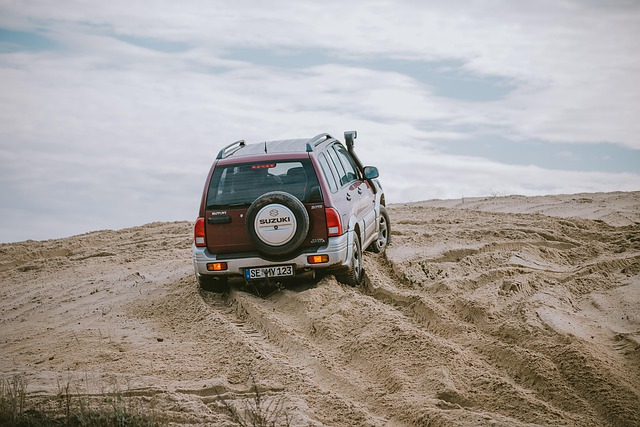
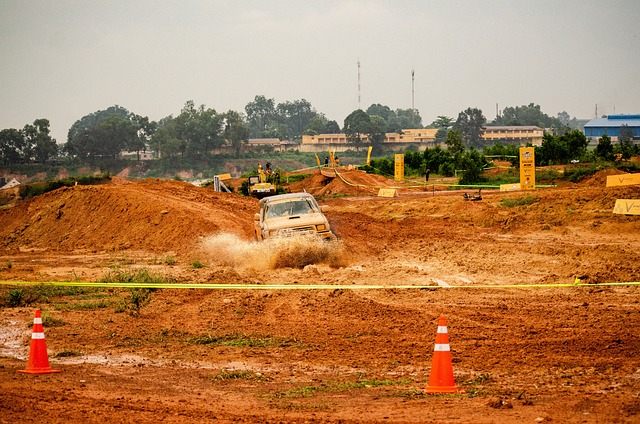
In the rugged landscapes around McAllen, Texas, having the right off-road accessories can make all the difference. This guide delves into a crucial component for navigating rough terrain: rock rails. We’ll explore what they are, their benefits, types available in McAllen, installation tips, and maintenance advice to ensure your 4×4 is equipped for any challenge.
Unleashing Your 4×4’s Potential: The Role of Rock Rails
If you’re an avid off-roader near McAllen, mcallen-4×4-off-road-accessories-near-me often become a hot topic among enthusiasts. One accessory that stands out for its versatility and functionality are rock rails. These sturdy metal barriers are designed to protect your vehicle’s underbody from scraping against rocks, roots, and other obstacles during intense off-road adventures.
Why Choose Rock Rails?
Investing in rock rails offers several advantages:
- Enhanced Protection: They safeguard vital components like the exhaust system, transfer case, and differential from costly damage caused by trail debris.
- Increased Confidence: Knowing your vehicle is protected allows you to explore more challenging trails with peace of mind.
- Better Performance: Reduced underbody drag can lead to improved fuel efficiency and overall performance on rough terrain.
- Resale Value: Well-maintained vehicles with added protection, like rock rails, often retain their value better.
Types of Rock Rails for McAllen Off-Roaders
Rock rails come in various styles catering to different driving needs and preferences:
1. Front Rock Rails
These are the most common and protect the front underbody from impact with rocks, logs, and other obstacles. Look for models that seamlessly integrate with your vehicle’s design for a clean, factory-like fit.
2. Rear Rock Rails
Rear rails offer protection to the rear differential, exhaust system, and fuel tank, crucial components for continued off-road exploration. Consider models with integrated mounting points for easier installation and reduced vibration.
3. Full Body Rock Rails
For ultimate protection, opt for full body rails that encompass both the front and rear underbody. These comprehensive systems offer unparalleled security against trail hazards. Ensure they are engineered for your specific vehicle make and model.
Installation: A Step-by-Step Guide
Installing rock rails is a project best left to experienced mechanics or enthusiastic DIYers with the right tools and knowledge. Here’s a simplified overview:
1. Research Compatibility: Always choose rock rails designed for your specific vehicle make, model, and year.
2. Prepare Your Vehicle: Wash and inspect your underbody thoroughly. Ensure it’s free of debris and rust before installation.
3. Gather Tools: You’ll need jack stands, socket sets, wrenches, and any hardware included with the rock rails.
4. Remove Required Components: Depending on the setup, you might need to remove the exhaust system, fuel tank shroud, or other components for access points.
5. Align and Secure Rails: Carefully position the rock rails according to the manufacturer’s instructions and secure them using provided hardware.
6. Test Fitment: Check for proper alignment and clearances before reinstalling any removed components.
Maintenance: Keeping Your Rock Rails in Top Shape
Regular maintenance ensures your rock rails provide optimal protection for years to come:
- Inspect Regularly: Examine your rock rails for signs of corrosion, damage, or loose connections at least once a month.
- Wipe Down: Clean the rails with a soft cloth and water after each off-road trip to prevent debris buildup.
- Lubricate Hinges: If your rails are hinged, regularly lubricate the pivot points to ensure smooth operation.
- Replace Worn Parts: If you notice any cracked or broken components, replace them immediately for maximum safety and effectiveness.
FAQs: Answering Your Rock Rail Queries
1. How do I know which type of rock rails are right for my vehicle?
Select rock rails specifically designed for your make, model, and year. Manufacturers typically provide compatibility charts to simplify the process. If you’re unsure, consult with a local off-road expert or the retailer where you purchase the rails.
2. Can I install rock rails myself?
While some installations are DIY-friendly, complex jobs may require professional assistance. Ensure you have the necessary tools and knowledge before attempting installation yourself.
3. Do rock rails affect my vehicle’s ground clearance?
Properly installed rock rails should not significantly reduce your vehicle’s ground clearance. Choose rails designed for your specific vehicle to minimize any impact.
4. How often should I inspect my rock rails?
Inspect them at least once a month, or more frequently if you frequently encounter challenging terrain. Regular checks ensure prompt identification and repair of any damage.
Conclusion: Conquering the Trails with Confidence
Investing in high-quality rock rails for your McAllen-based 4×4 is a smart decision for off-road enthusiasts. With proper installation, maintenance, and selection, these robust accessories will protect your vehicle while allowing you to explore remote areas with newfound confidence. Remember, safety always comes first, so ensure every modification enhances your off-roading experience without compromising your vehicle’s integrity.